
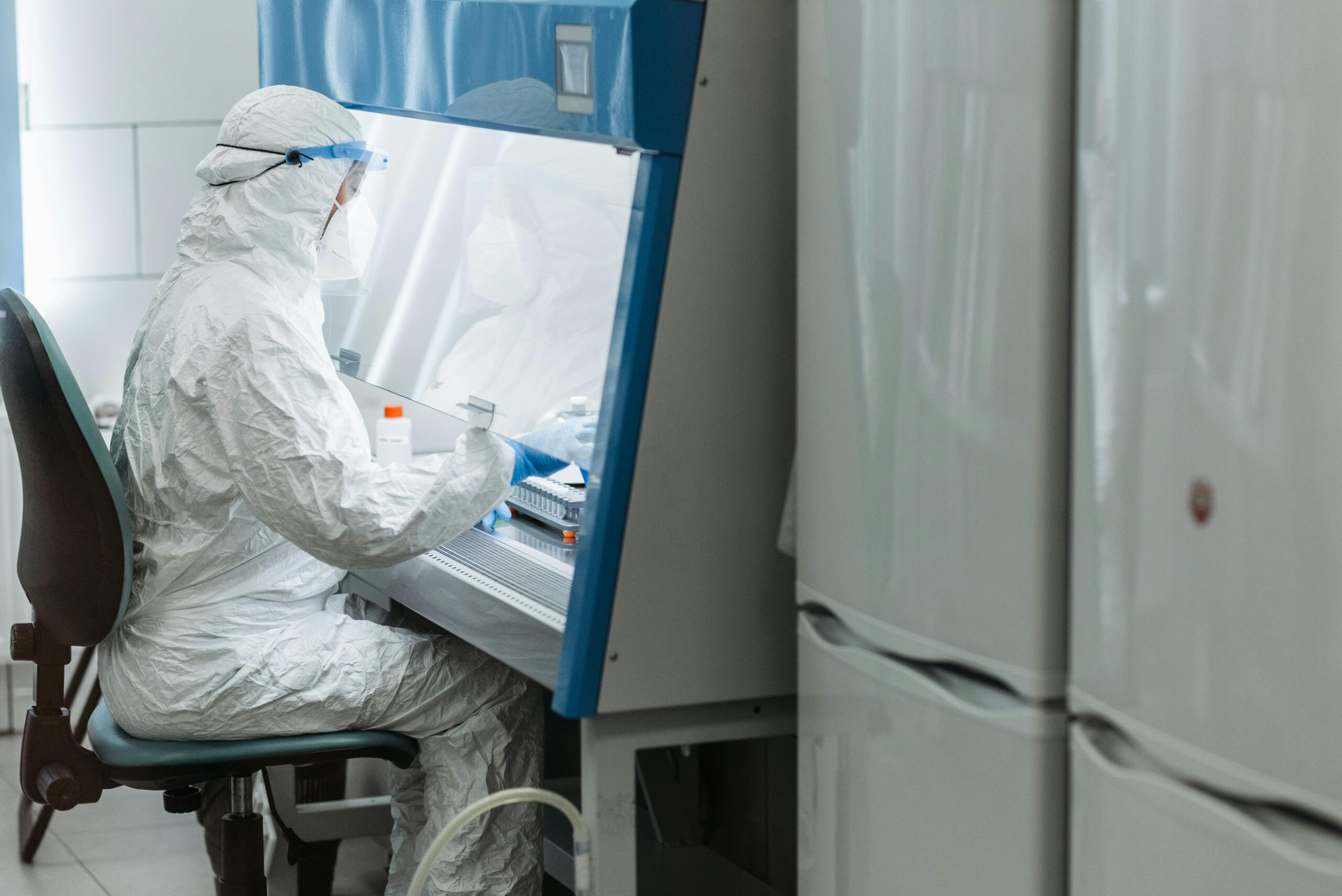
The Role of Cleanrooms in the Pharmaceutical Industry: Why Controlled Environments Matter?
In the pharmaceutical industry, precision, sterility, and compliance are non-negotiable. Every product manufactured, whether a tablet, vaccine, biologic, or injectable must meet stringent quality and safety standards. This is where cleanrooms play a critical role. Designed to control contamination, cleanrooms ensure that pharmaceutical products are manufactured in a controlled and regulated environment, preventing exposure to airborne particles, microbes, and chemical vapors.
What Is a Cleanroom?
A cleanroom is a controlled environment where pollutants such as dust, airborne microbes, aerosol particles, and chemical vapours are filtered and regulated. These environments are classified based on the level of cleanliness (particle concentration per cubic meter), typically following guidelines like:
- ISO 14644-1
- EU GMP (Grade A–D classification)
Why Cleanrooms Are Essential in Pharmaceuticals
The pharmaceutical industry involves processes where contamination can:
- Compromise product quality
- Affect patient safety
- Cause loss of batch and revenue
- Lead to regulatory penalties or recalls
Cleanrooms safeguard production integrity by:
Controlling airflow
Regulating temperature & humidity
Maintaining positive or negative pressure
Limiting human contamination
Cleanroom Classifications in Pharma
| ISO 5 / Grade A | Aseptic processing, filling lines | Sterile injectables |
| ISO 6–7 / Grade B | Buffer zones for aseptic operations | Sterile support area |
| ISO 7–8 / Grade C–D | Non-sterile formulation, dispensing, packing | General clean manufacturing |
Key Components of a Pharmaceutical Cleanroom
1. HVAC System (Heating, Ventilation & Air Conditioning)
Ensures correct temperature, humidity, and pressure to maintain cleanliness and product stability.
2. HEPA/ULPA Filtration
Filters airborne particles as small as 0.3 microns (HEPA) or even 0.1 microns (ULPA).
3. Airflow Design
Two common types:
- Laminar Flow – uniform airflow, critical for sterile zones
- Turbulent Flow – used in less critical zones
4. Cleanroom Consumables
Includes garments, gloves, shoe covers, disinfectants, wipes, and pass-box protocols.
5. Access Control
Restricted entry with personnel gowning procedures and airlocks prevent contamination.
Regulatory & Validation Requirements
Cleanrooms must comply with global regulatory guidelines issued by:
- WHO
- US FDA
- EU GMP
- ISO 14644
Validation includes:
- DQ (Design Qualification)
- IQ (Installation Qualification)
- OQ (Operational Qualification)
- PQ (Performance Qualification)
- Periodic Environmental Monitoring
Regulatory & Validation Requirements
Cleanrooms must comply with global regulatory guidelines issued by:
- WHO
- US FDA
- EU GMP
- ISO 14644
Validation includes:
- DQ (Design Qualification)
- IQ (Installation Qualification)
- OQ (Operational Qualification)
- PQ (Performance Qualification)
- Periodic Environmental Monitoring
Future Trends in Cleanroom Technology
The pharmaceutical cleanroom ecosystem is evolving with advancements like:
- IoT-based environmental monitoring
- Automated disinfection systems
- Modular cleanroom construction
- Energy-efficient HVAC designs
- Robotics for aseptic processing
These innovations aim to enhance compliance, reduce operational cost, and achieve greater sterility assurance.
Conclusion
Cleanrooms form the backbone of modern pharmaceutical manufacturing. They ensure that products are manufactured in a sterile, controlled, and compliant environment, protecting not just product quality, but ultimately, patient life.
As the industry continues to expand into biologics, personalised medicine, and sterile injectables, cleanroom technology will remain a crucial foundation for safety, compliance, and innovation.